First published on Wednesday, August 26, 2026
Last updated on Wednesday, August 26, 2026
Smart glasses in the workplace
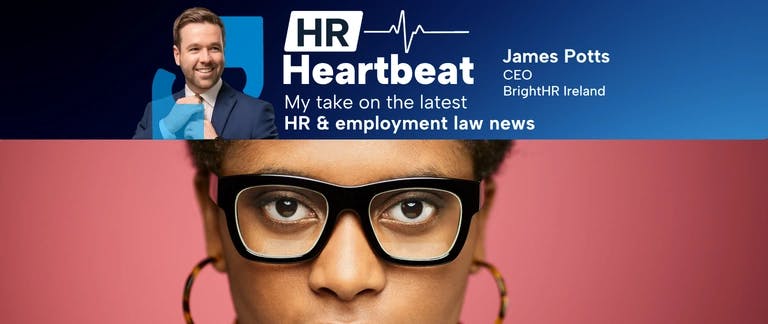
Amid the rising popularity of AI glasses, employers in Ireland should consider workplace privacy, employee data and security. Whether your employees are deliberately recording company information or innocently vlogging their day, any use of recording equipment should raise red flags around privacy and confidentiality.
My advice for employers who suspect their employee’s wearing smart glasses? Have a conversation. Ask if they’re using them, and for what purpose. You should add a policy to your employee handbook that covers the use of smart glasses, and update your data protection policies. If you haven’t updated your employee handbook in a while, don’t forget you can get an expert-written, legally-compliant template from the BrightHR document library.
Tackling lateness issues
Being late is a part of life. Everyone who works for you has experienced traffic issues, last-minute childcare changes, or train cancellations. But if lateness becomes a persistent issue, it can have an effect on productivity and put a serious dent in team morale.
There are ways to tackle lateness without jumping straight to a disciplinary. Firstly, you can check patterns with a clocking in and out app like Blip. Then, you could alter someone’s shifts or offer flexible working. It might help them on their childminder’s day off, or the day when they rely on public transport. And if it becomes a conduct issue, make sure your policies and processes are up to date. Get advice from an HR expert to ensure compliance with employment law.
Proposed paid leave for early pregnancy loss
Currently, women are entitled to full maternity leave in the case of a stillbirth after 23 weeks’ gestation. But there is currently no support for a miscarriage before that, barring employees choosing to take their five days’ statutory sick pay.
In July this year, the Government approved the scheme of the Pregnancy Loss Bill 2026, which would give an employee who experiences pregnancy loss five days’ paid leave a year. The proposals make the leave itself a day-one right, with payment entitlement after 13 weeks’ service. Pay for partners will be considered in a future phase.
You should keep your eye on these proposals, and think about record keeping, amending your employee handbooks and contracts once the changes are implemented. And consider support beyond these proposals. An Employee Assistance Programme (EAP) will give your employees access to confidential help, wellbeing support and counselling.
And that’s a wrap from me. Tune in next time for my take on the latest headlines and employment law stories, helping keep your business ahead!