- British Columbia Employment Legislation Updates
The Latest B.C. Employment Legislation Updates
Learn what every employment legislation change, such as the Pay Transparency Act, means for your business in British Columbia.
Stay compliant with the employment standards act and provincial employment legislation with support from BrightHR employment relations experts.

Join 9,000+ Canadian businesses that trust BrightHR






British Columbia’s 2025 Legislative Changes
Here are the legislative updates that have been passed or become active in 2025.
International Credentials Recognition Act, 2023
- Canadian Experience Ban: Employers can no longer require “Canadian work experience” in job postings across 18 regulated professions, shifting to competency-based assessments.
Bill 11 (Employment Standards Amendment Act)
- Sick-Note Ban: Employers can no longer require a medical note for short-term illness leave. Details (like how many days count as “short-term”) will be clarified in regulations soon. Absences must be managed without this verification, forcing businesses to rethink absence tracking.
Occupational Health and Safety Regulation amendments
- Emergency Planning Amendments: Employers handling hazardous substances must expand their emergency planning. Plans must now cover risks from outside the workplace, be updated annually, include joint committee input, and outline evacuation procedures that also notify adjacent workplaces and residences.

Get the advice you need
Get advice from the experts on staying compliant with provincial legislation changes.
British Columbia’s 2024 Legislative Changes for HR
The following acts have been passed in prior years, but they may have been revised or become active in 2024, meaning all B.C. businesses should be aware!
Amendments to the Employment Standards Act, 2021
- Increased paid sick leave: Employees in B.C. became entitled to 5 paid sick days per year, on top of existing protections under the Employment Standards Act. This meant employers had to adjust policies, payroll systems, and absence management processes.
Pay Transparency Act
- Pay Transparency: Employers with 50+ employees (Nov 2023), 100+ (2024), and 300+ (2025) are required to begin publishing annual pay transparency reports. Job postings also must include wage or salary information.
Employment Standards Amendment Act (No. 2), 2024 (British Columbia) + Workers Compensation Amendment Act, 2024
- Gig worker protections: Ride-hail and food-delivery drivers are now defined as employees under the ESA and WCA. This means you must now provide minimum wage for all hours worked, transparent pay/destination information, expense coverage, and protect tips.

British Columbia’s 2024 Legislative Changes for OHS
Workers Compensation Amendment Act (No. 2), 2022
Protecting Injured workers: Employers with 20+ staff must keep an injured worker on staff if they’ve been continuously employed for 12 months. There’s also a duty to cooperate in their return-to-work process.
Workers Compensation Amendment Act, 2023
Mental Health Protections: The Workers’ Compensation Act now presumes mental health conditions caused by workplace trauma for specific occupations (social workers, coroners, parole officers, and others). This makes claims simpler and expands employer liability for psychological safety.

Upcoming Legislative Changes for British Columbia
Pay Transparency Act, 2023 (British Columbia) — with obligations continuing to expand through 2026 onward
B.C. is expected to further expand pay transparency obligations, rolling requirements to smaller employers, and align job posting rules more closely with Ontario.

How can you stay ahead?

Get advice from HR experts
With the support of employment legislation experts on your side, you can get the latest and most accurate information you need to be provincially compliant.
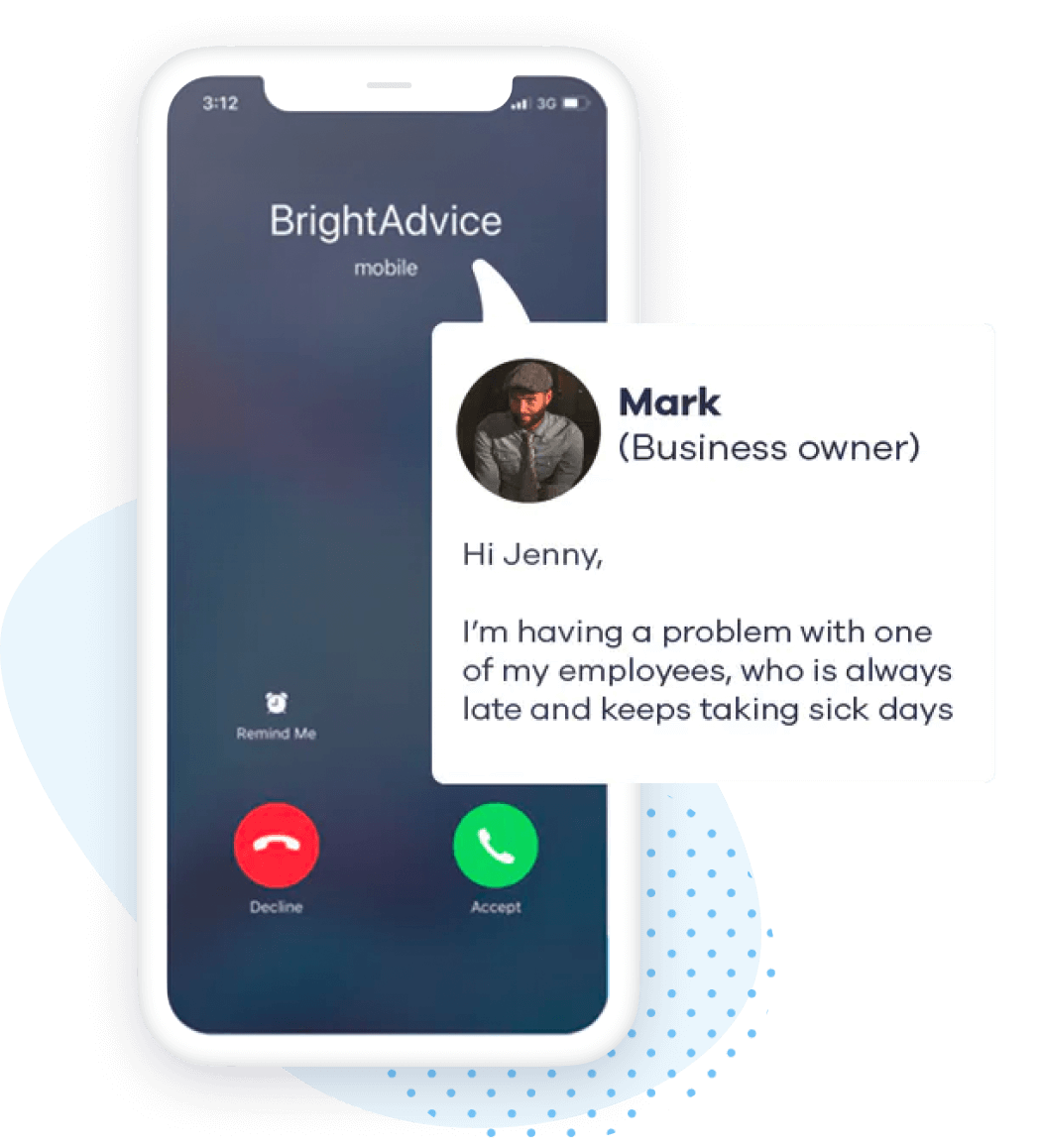
With BrightAdvice, a team of employment and HR experts can offer you unlimited, 24/7, on-demand advice anytime you may need it.
From addressing employee concerns to answering your questions about the latest updates direct from your provincial governments—we’re on your side.

Align HR processes with employment laws
By leveraging technology, you can enhance and streamline your processes, helping you to reduce the risks of compliance issues and out of date HR documentation.

Update policy documents and contracts
Your HR policies, documents and employment contracts are essential pieces of information helping you navigate and ensure compliance with employment laws.