First published on Thursday, November 27, 2025
Last updated on Thursday, November 27, 2025
Welcome to HR Heartbeat, where we take a look at the week’s most pressing HR and employment law stories. With over a decade of experience working within the HR and employment law industry, I give my opinion on current trends impacting your business, as well as my own personal commentary on all things HR and legal.
The Campbell soup retaliation
Recent news is buzzing with reports of a former cybersecurity analyst suing Campbell Soup Company, claiming he was fired after reporting a senior executive’s shocking comments about the company’s products and Indian employees.
The employee secretly recorded a meeting that was supposed to be about his pay, instead a senior executive wound up ranting for over an hour about Campbells food, mocking its customers and making derogatory remarks about racialized colleagues.
20 days after reporting the incident to his manager, the employee was abruptly let go. He’s now alleging retaliation, discrimination, and a racially hostile work environment.
In response, Campbell Soup Company has called the alleged remarks “unacceptable” if true and has placed the executive on temporary leave.
In Canada, employees who secretly record workplace conversations could face discipline themselves, even if they believe they’re exposing misconduct. And this case is a reminder of why clear reporting channels and fair processes matter more than ever.
No doctor’s note? No problem
Manitoba is gearing up to change a major workplace norm. Soon employees will no longer need to provide a doctor’s note for absences under seven days.
This move aims to reduce unnecessary paperwork for families and cut back on strain in the healthcare system. The new law would affect both public and private sector employers in the province, but not federally regulated workplaces.
If the legislation passes, you can only ask for a doctor’s note after an employee is gone from work for seven consecutive days.
Labour groups, healthcare workers and business leaders are in support of the change as they both agree that sick notes are hardly ever meaningful verification of illness. They also contribute to long wait times, cost taxpayers millions and fill clinics with unnecessary visits.
As for employers, you may need to update your sick leave policies. Doing this will ensure everyone knows what’s expected of them and there is no added friction for genuinely ill employees.
New ESA job-posting laws: are you ready for 2026?
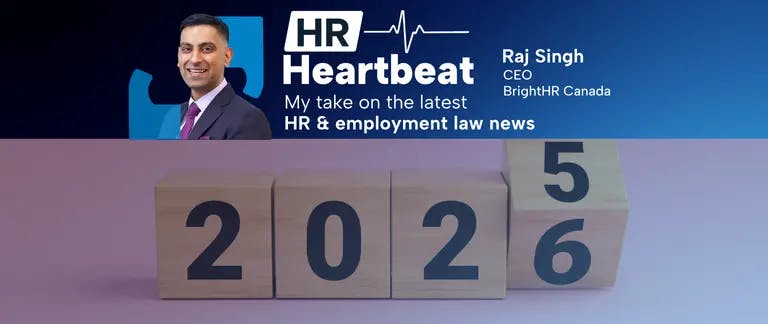
As 2025 winds down, employers in Ontario with 25+ employees should prepare for major hiring-process changes taking effect January 1, 2026 under the Employment Standards Act (ESA).
These rules apply to publicly advertised job postings for specific roles, not general hiring campaigns, internal postings, or jobs performed outside Ontario.
What employers can’t do starting Jan. 1, 2026:
You can’t have “Canadian experience” as a requirement in job postings. This applies to postings and application forms. But, you can still ask whether candidates are legally entitled to work in Canada.
What employers must include:
Compensation or salary range (max range: $50,000), unless the role pays $200,000+.
A disclosure on whether AI is used in screening or assessing applicants.
A statement clarifying whether the role is an existing vacancy.
Notice to every interviewed applicant within 45 days about whether a hiring decision has been made.
In addition, you must retain every job posting, application, and applicant notification for three years.
To ensure you’re fully compliant before the January 1st, 2026, deadline, audit your job templates, applicant tracking systems, hiring scrips and record keeping practices.
Want to stay ahead of every 2026 change? Sign up for our free BrightHR webcasts to get the latest updates and expert guidance.
And that’s a wrap from me. Tune in next time for my take on the latest headlines and employment law stories, helping keep your business ahead!