First published on Thursday, October 2, 2025
Last updated on Thursday, October 2, 2025
Welcome to HR Heartbeat, where we take a look at the week’s most pressing HR and employment law stories. With over a decade of experience working within the HR and employment law industry, I give my opinion on current trends impacting your business, as well as my own personal commentary on all things HR and legal.
When is a “casual” employee really casual?
A recent Alberta ruling shows why employers shouldn’t take casual labels at face value.
In this case, the worker was with the company for nearly 25 years in roles critical to compliance and strategy. When they were terminated, their employer only gave one month’s pay, arguing that they were just a “casual part-time” worker.
The worker filed a wrongful dismissal claim seeking damages based on tenure and managerial role. While the initial judgment agreed with the employer that the worker was only a casual worker and awarded six months’ notice, the Court of King’s Bench overturned that decision, awarding 18 months’ notice amounting to $90,000.
The court found her duties were too important to be considered casual, stressing that part-time status doesn’t reduce notice entitlement.
The key lesson here is this. Courts look at the real relationship, not the label. So, if a worker has a regular schedule, vital integration into the business, specific duties, pay, and expectations, calling them a “casual worker” won’t hold.
That’s why it’s incredibly important to:
Always document employment status with a written contract.
Update contracts when staff move from casual to part-time or full-time.
Consider all Bardal factors before calculating severance.
Because if someone looks, acts, and works like a permanent employee, the courts may treat them as one, no matter what their contract says.
Not all justified harassment leads to dismissal
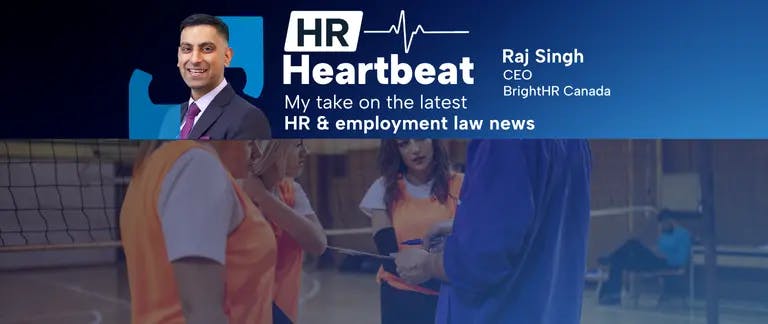
In an interesting case out of New Brunswick, a court has ruled that the University of New Brunswick (UNB) wrongfully dismissed its women’s volleyball coach, after justified harassment complaints from players and staff.
The coach was hired on a three-year contract in 2021 and fired in 2023 after an investigation into 30 alleged incidents.
Nine of these incidents were validated, including aggressive profanity and slamming the ball, but the court found UNB went too far by terminating him.
The judge noted that while discipline was warranted, not every policy breach justifies immediate dismissal. The investigation mentioned the coach sometimes accepted feedback, apologized, and showed a willingness to change.
So instead of going straight to termination, what UNB should have done is applied progressive discipline. This could’ve been a verbal or written warning or suspension before ending his contract. By skipping those steps, the university’s actions were deemed excessive.
The coach was awarded $50,920 in damages, including the balance of his contract and pension contributions. This shows that even when misconduct is serious, courts expect a fair, step-by-step disciplinary process. Skipping straight to dismissal can leave you facing costly claims.
Minimum wage increases are here
Starting October 1, 2025, paychecks are increasing across several provinces.
Saskatchewan - $15.35,
Manitoba - $16.00
Ontario - $17.60 ($16.60 for students),
Nova Scotia - $16.50, and
P.E.I. - $16.50.
Across the country, minimum wages now range from $15.00 to $19.75, with Nunavut leading the way at nearly twenty dollars an hour.
For employers, wage hikes aren’t just about compliance; they’ll affect your payroll budgets, overtime costs, and retention strategies.
If you miss an adjustment, you risk costly penalties and unhappy staff. So, now’s the time to review your pay structures, update systems, and prepare your business for the ripple effects these increases can bring.
And that’s a wrap from me. Tune in next time for my take on the latest headlines and employment law stories, helping keep your business ahead!