First published on Wednesday, September 17, 2025
Last updated on Wednesday, September 17, 2025
Welcome to HR Heartbeat, where we take a look at the week’s most pressing HR and employment law stories. With over a decade of experience working within the HR and employment law industry, I give my opinion on current trends impacting your business, as well as my own personal commentary on all things HR and legal.
When online conduct spills into the workplace
A University of Toronto professor has been placed on leave after posting a controversial comment on social media in the aftermath of a high-profile assassination. The post sparked political condemnation and raised tough questions about online behaviour and its effect on workplaces.
For employers, this story is a reminder that social media is never fully “off-duty.” What employees say online—whether about clients, colleagues, or controversial issues—can reflect back on their employer, damaging your reputation and leading to complaints or even legal trouble.
Social media posts are often reactive and emotional. With blurred lines between personal opinion and professional stance, it can be tricky knowing how to handle the blowback when employees post online, especially on sensitive issues.
Here are a few ways to handle how online activity affects your workplace:
Remind staff that freedom of expression comes with responsibility
Act fast if posts harm workplace culture or your brand
A single post can create a PR storm, so setting boundaries like these helps protect your business before you’re caught in the crossfire.
Can a resignation be taken back?
A recent case out of Alberta presents an interesting workplace question: can an employee verbally withdraw a formal resignation after it’s been accepted by their employer?
The employee originally gave 10 months’ notice, but later claimed she verbally took back her resignation in a meeting with the new owner.
But she never formally withdrew her resignation with the original employer. In fact, her emails only said she’d be ‘willing to recant’ if she was given a new offer. The new employer accepted her written resignation when they took over and the employee proceeded to file a wrongful dismissal claim.
The court found she never formally retracted her resignation with the original employer, and that both parties had acted on the assumption she was leaving. Her wrongful dismissal claim was dismissed.
It’s important for both employers and employees to note that a resignation is binding once it’s accepted, unless the employee clearly withdraws it and the employer accepts. Vague statements aren’t enough to undo a written resignation, that’s why it’s important to maintain written records of all resignations, or withdrawals. As I always say, if it isn’t documented, it doesn’t exist.
Prepare for new hiring rules
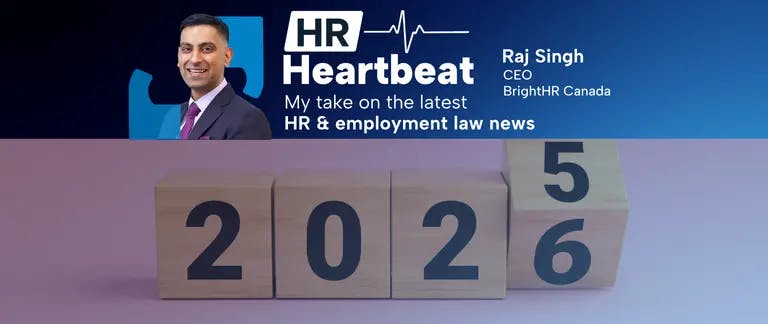
Big changes are on the way for Ontario businesses. Starting January 1, 2026, new requirements under the Working for Workers Acts will reshape how you post job vacancy details, and respond to candidates.
Here’s what’s changing:
Salary ranges in job ads: All external postings must show an expected pay range (capped at $50,000 wide). Wages include base pay, commissions, and most non-discretionary bonuses.
AI disclosure: You must disclose if you use artificial intelligence at any stage of hiring, including screening.
No “Canadian experience” rule: You can’t require Canadian work experience when advertising jobs.
Mandatory responses: Larger employers must reply to every candidate interviewed within 45 days.
And if you fail to comply, you may be slapped with some of the highest fines for employment standards breaches. Individuals can be fined up to $100,000 and repeat violators face $5,000 per offence.
While it may seem like you have a lot of time before January next year, it’s crucial to start updating your job posting templates, pay structures, and recruitment processes right now or risk scrambling later.
And that’s a wrap from me. Tune in next time for my take on the latest headlines and employment law stories, helping keep your business ahead!