
Toni Houghton
Thursday, July 17, 2025
Jump to section
Within the construction industry there were 51 fatal injuries to workers in 2023/24, and an estimated 47,000 construction workers sustained non-fatal injuries over a three-year period (based on HSE statistics between 2021-2024). These are accidents including:
Slips, trips, falls
Falls from height
Injuries from manual handling
Injuries from falling objects or moving vehicles
These types of incidents highlight the importance of proactive site management training and compliance with legal safety standards.
The construction sector in the UK records a statistically higher rate of self-reported workplace injuries compared to the national average across all industries. It shares this high-risk profile with other hazardous sectors such as hospitality, transportation and wholesale retail/trade.
The numbers speak for themselves. Placing a great deal of emphasis on the need for specific construction-based health and safety legislation, procedures, and guidance. Ensuring that rates of fatal and non-fatal injuries are reduced overtime.
Construction safety regulations
While all workplaces must comply with the Health & Safety at Work Act 1974, other, more industry-specific legislation applies to construction.
Such as:
The Construction (Design and Management) Regulations (CDM) 2015
Control of Asbestos Regulations 2012
The Control of Vibration at Work Regulations 2005
Control of Substances Hazardous to Health Regulations (COSHH) 2002
Health and Safety (Consultation with Employees) Regulations 1996
Lifting Operations and Lifting Equipment Regulations (LOLER) 1998
Provision and Use of Work Equipment Regulations (PUWER) 1998
Personal Protective Equipment at Work (Amendment) Regulations 2022
Health & Safety first-aid regulation 1981
Reporting of Injuries, Diseases and Dangerous Occurrences Regulations 2013 (RIDDOR)
Keeping records with a construction site diary
A site diary helps to ensure that a construction site is compliant with regulations, including the Health & safety at Work Act. It is used to document site events in real-time. Including:
Personnel on site and date and time of when contractors, visitors, and workers have entered onto site for the day.
Equipment being used
Notes of deliveries
Progress updates
Conditions of site including weather and any potential setbacks
Safety incidents, near-misses, or any new hazards identified on site must be documented within the site diary. This should also include any supporting evidence, such as photographs, statements and signatures from workers or contractors.
Having accurate records in a site diary not only acts as evidence but ensure compliance with HR and H&S legislation.
A safety checklist for small contractors
Small contractors such as those who are self-employed or small businesses providing construction-related services to smaller projects (domestic renovations, contract work and more) are more likely to suffer from workplace injuries and fatal accidents each year. Often because the proper health and safety procedures and control measures are not in place.
Most of these workplace deaths are because of falls from ladders, scaffolding, roof edges and platforms. So, what can be done to ensure site safety even on the smallest of project and renovations?
Below are the foundations of a safety checklist for self-employed contractors and small construction businesses:
Safe access
According to various legislative requirements, a construction site must be reasonably and safely accessible. This includes every area or place within a construction site that workers will have access to.
Implementation of site access barriers control and safety measures will enforce strict access and ensure the use of proper control measures for workers and vehicles entering and exiting the site.
Plan and authorise access to all vehicles and personnel before accessing the site. This may require additional risk assessments for visitors.
Reduce the number of access points to the site. Particularly when managing an expansive site. Ensure security controls are implemented to reduce the risk of trespassing and other unauthorised access.
Security personnel could be used to monitor and patrol site access points whilst also authorising visitors and individuals entering and exiting.
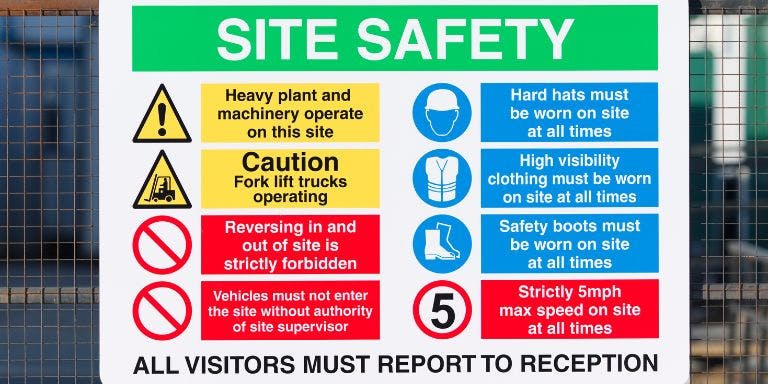
Wear and provide PPE (Personal Protective Equipment)
Proper protective clothing and equipment such as gloves, eyewear, footwear, helmets and more will add a layer of protection, helping to reduce the risk of physical injuries and accidents to workers.
When managing a site the minimum requirements for PPE include:
Hi-vis clothing
Helmets/hardhats (head protection)
Foot protection such as steel-toed boots
Other types of PPE such as ear defenders, eye goggles, and harnesses must be used when completing certain jobs.
Carry out essential risk assessments
Risks assessments must be carried out throughout the duration of construction work, not just at the beginning.
These risk assessments will be used to identify hazards and make records of risks to workers’ health and safety. Documentation should also suggest recommendations for control measures and solutions for mitigating risks and reducing site hazards.
Construction site safety training
Training is required to ensure all construction site workers understand and comply with health and safety regulations. Not only will health and safety training ensure proper understanding of the law, but essential safety skills. Skills that will keep workers safe while operating machinery, using tools, working at heights and more.
Examples of relevant e-learning courses include:
Ladder Safety Awareness
Abrasive wheels
Working at heights
Work equipment awareness
Electrical safety
Noise awareness training
Hand Arm Vibration Syndrome (HAVS) Awareness
Other site safety essential top tips:
Due to the hazardous nature of construction sites, The Health and Safety (First-Aid) Regulations 1981 require construction sites to offer provisions for first aid. This means that you must have a first aid box handy. Depending on the size of the site and number of workers at least one member of the team must be qualified to administer first aid. Completing a relevant first aid at work course.
Site cleanliness helps to reduce the number of hazards. Particularly trip and slip hazards. By communicating effectively with workers and establishing a process for post-construction and deep site cleans, you can enhance site safety but also protect the health of workers, including:
Improving air flow
Keeping walkways clear
Removing debris
Disinfecting surfaces
There are so many things you can do to keep your workers safe but also stay compliant with health and safety regulations across your site.
Invest in digital health and safety solutions
With the complexities of health and safety, modern workforces are turning to software providers to support the health, safety and wellbeing of their workers and their sites.
Health and safety software such as BrightSafe offers tools and features to help you stay compliant and tick off the necessary steps required to keep your construction site safe.
Including:
Health and safety app for instant reminders and easy access to a 24/7 health and safety advice line
Book you free demo today to see BrightSafe in action and discover the benefits of an all-in-one health and safety software.