
First published on Thursday, March 12, 2026
Last updated on Thursday, March 12, 2026
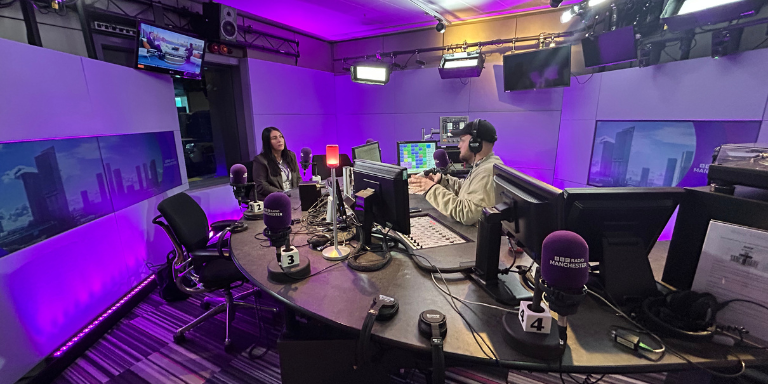
BrightHR’s Gemma O’Connor joined the BBC Radio Manchester Breakfast Show to discuss the rising number of fit notes being issued in the UK. Hundreds of doctors admit they’ve never refused a sick note over mental health concerns.
As the number of fit notes issued by GPs rises annually, data from our HR software shows the same pattern of absences. 2025 absence and sickness rates increased by 16.2% from 2024. And the biggest sickie day recorded was Monday 6th January, when a whopping 7,249 sicknesses were recorded in the software.
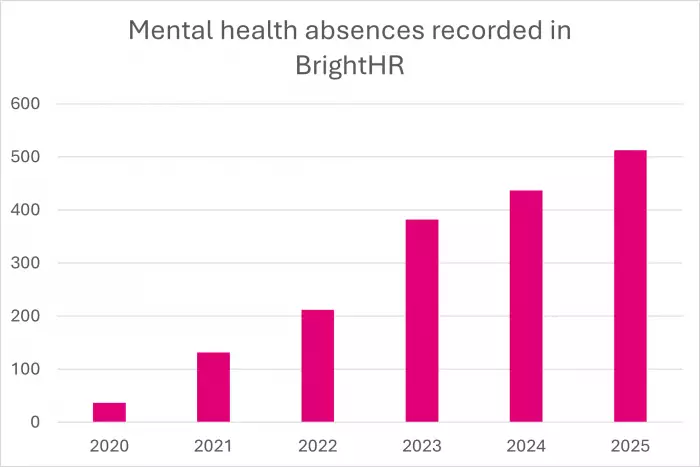
The table below shows the rising number of mental health related absences recorded in BrightHR from 2020 to 2025.
According to the BBC report, more than 956,000 notes cited mental health as a reason for requesting sick leave from work last year. This resulted in hundreds of thousands of employees signed off work for 7 days or more.
The impact on small businesses
Managing sickness and absence is one of the biggest HR challenges facing small business owners.
Not only can sickness take employees away from work for long periods of time, but it can also have both financial and operational impacts on the business.
As Gemma explained in her radio interview, the impact of long-term sickness can include:
Declining workplace productivity
Financial costs, including sick pay, overtime, and temporary staff cover
Reduced morale among employees, increasing pressure and the risk of further sickness and burnout
While you want to ensure that your staff are supported, it’s important for businesses to manage sick leave in the right way.
In the case of mental health, this can be even more complicated.
“If somebody is struggling with their mental health it is very individual and as an employer it can be hard to manage as there is no one size fits all approach to it.”
However, more employers are becoming aware of mental ill health and are implementing the correct processes to properly handle a rise in mental health related sicknesses. Especially as industry regulators such as the HSE clamp down on businesses for failing to formally assess workplace stress and its impact on workers.
Advice for employers
As one of our resident HR experts, Gemma recommends the following best practices for managing sickness rates related to mental health:
Implementing employee assistance programmes for staff to access support when they need it
Maintaining communication with employees, for example conducting return to work interviews
Being consistent in how you manage absences, with robust sickness and absence policies
How can BrightHR help?
An all-in-one HR solution, so you can manage sickness in one easy-to-access platform.
With BrightHR software you can:
Download absence management policy templates
Access an employee assistance programme for employee wellbeing and support
Sync HR with payroll for accurate pay runs and SSP
Store important documents such as fit notes and RTW records
Get the tools you need to manage sickness and support mental health at work with BrightHR.
Our team is gearing up in preparation for the implementation of the Employment Rights Act 2025. Are you ready?
Get the answers you need and expert support with HR advice from BrightHR.