Prepare your business for severe weather
Discover practical guidance to help you prepare for changing conditions, protect your employees and keep your business running - whatever the forecast.


When the weather changes, your business needs to be ready
A sudden storm. A summer heatwave. Flooding that stops employees getting to work.
Severe weather can bring unexpected challenges for employers, from workplace health and safety risks to staff absences, disrupted shifts and questions about pay.
Whether you're preparing for winter conditions or keeping employees safe in the summer heat, knowing your responsibilities can help you make informed decisions.
With BrightHR, you'll find the guidance and tools to plan ahead, respond confidently and manage the impact on your business.

UK Weather by season
Each UK season brings new challenges for employers. Explore our guidance throughout the year and stay prepared for whatever comes next. Storms & high winds
Prepare for warnings and severe conditions. High winds are likely to cause public transport outages, employee lateness, and restrictions on certain types of construction work.
 Prepare for winter
With winter just around the corner, Autumn provides employers the perfect opportunity to review policies and workplace risks ahead of the cold weather.
 Cold weather
As temperatures fall between September - November, businesses should be mindful of the impact cold weather can have on workers, particulalry those working outside.
Autumn
Storms & high winds
Prepare for warnings and severe conditions. High winds are likely to cause public transport outages, employee lateness, and restrictions on certain types of construction work.
Prepare for winter
With winter just around the corner, Autumn provides employers the perfect opportunity to review policies and workplace risks ahead of the cold weather.
Cold weather
As temperatures fall between September - November, businesses should be mindful of the impact cold weather can have on workers, particulalry those working outside.
Winter
Storms & flooding
Storm risks in the UK are at a higher level during Winter. Causing some buinesses to completely close while others experience building damages.

Snow & ice
Snow and ice are highly likely in winter. Often causing road closures, public transport outages and delays to services.

Peak winter disruption
Staff absence and lateness may be impacted in winter due to higher rates of sickness, disruptions to roads, and public transport closures.
Spring

Flooding
Flooding in Spring may result in business closures, building damages and staff shortages as travel is restricted.

Changing temperatures
Spring brings both warmer days but more rain. Businesses should review guidance for staff working in these often unpredictable weather conditions.

Prepare for heat
As the final days of Spring heat up and with summer on the horizon, policies will need another review to prepare for the summer heat.
Summer

Hot weather
Extreme hot weather in the UK makes some workplaces incredibly uncomfortable to work in. Businesses must consider employee safety and wellbeing in these conditions.

Heatwaves
With heatwaves becoming more common in the UK, businesses must manage heat-related workplace risks with detailed risk assessments.

Summer workforce
Summer is a busy season for annual leave. Businesses should prepare ahead of time for staff shortages and rota changes.
Be ready for whatever the weather brings
Storms, snow, flooding or heatwaves can disrupt your business when you least expect it. From unexpected staff absences and changing shifts to workplace safety concerns and questions about pay, there's a lot to manage.
Discover how HR software and health & safety tools help you:
- Manage staff absences
- Keep shifts running smoothly
- Protect your people
- Get expert support
Whatever the forecast, BrightHR helps you stay organised, protect your employees and keep your business moving.
Book your free demo today and see how BrightHR can help your business prepare for whatever comes next.
Severe weather resources
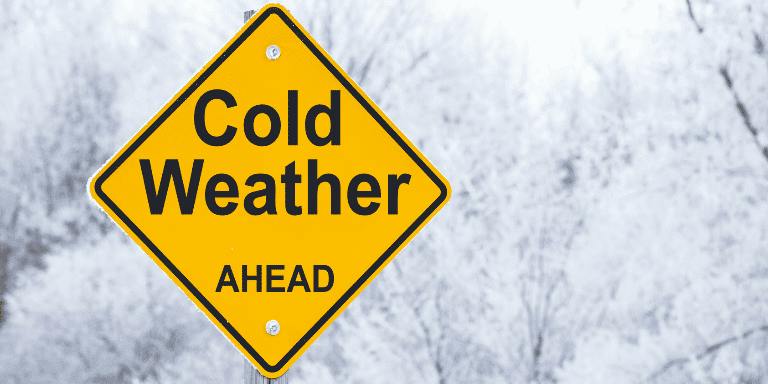
Snow warning
Discover how to manage employee safety, unexpected absences, and flexible working as snow is set to fall.
Prepare for Storms

Working temperatures
Read the article to find out more about the legal working temperatures in the UK for safer working environments.
Read more

Severe weather policy template
Detail what your staff should do when weather impacts their work day with a free policy template.
Download the templateWhat do you need to do next?
Bad weather can affect everything from employee safety to working hours and pay. Find practical guidance, expert advice and BrightHR tools to help you make the right decisions.
Prepare for changing conditions and help reduce workplace risks.
- Conduct weather-related risk assessments
- Manage workplace temperatures
- Prepare for snow, ice and extreme weather
- Identify and record hazards

Keep on top of attendance, lateness, working hours and staffing when the weather changes.
- Record sickness and lateness
- Manage clocking in and timesheets
- Adjust shifts and rotas
- Organise employee cover

Put the right plans in place before severe weather disrupts your business.
- Create and store workplace policies
- Review absence procedures
- Communicate with employees
- Plan for business disruption

Get clarity on your responsibilities when weather affects attendance or normal working arrangements.
- Understand employment law obligations
- Get guidance on weather-related absence
- Manage pay during business closures
- Access expert advice and templates

Minimise disruption and keep your business operating when severe weather affects your plans.
- Plan for unexpected workplace closures
- Manage remote and flexible working
- Keep track of staff availability
- Maintain essential business operations

Take action quickly when storms, flooding or extreme weather put your workplace and employees at risk.
- Prepare for named storms and weather warnings
- Report and manage workplace incidents
- Keep important documents accessible
- Update emergency leave guidance
Ready for whatever the weather brings?
From workplace safety to employee management, BrightHR helps you stay prepared, keep your people safe and your business on track.
Frequently asked questions about severe weather at work
Q.Question
Q. QuestionWhat should employers do when severe weather is forecast?
Review relevant workplace risks, consider potential travel and staffing disruption, communicate plans with employees and check whether existing policies and contingency arrangements are suitable.
Q.Question
Q. QuestionDo employers need an adverse weather policy?
A standalone adverse weather policy is not universally required, but clear arrangements can help employers explain expectations around travel disruption, reporting absences, workplace closures and pay.
Q.Question
Q. QuestionWhat happens if employees can't get to work because of snow?
Employers should consider the circumstances, contractual arrangements and relevant workplace policies. Employees are not automatically entitled to pay simply because snow prevents them from travelling to work.
Q.Question
Q. QuestionHow can employers protect employees during extreme temperatures?
Employers should assess workplace risks and take appropriate steps to manage exposure to heat or cold. Suitable measures depend on the working environment and the risks identified.
Q.Question
Q. QuestionHow can BrightHR help businesses manage weather disruption?
BrightHR offers tools for managing employee absence, scheduling, time and attendance, alongside health and safety resources and employment advice that can support weather-related workplace decisions.


Build a more resilient business
See how BrightHR helps employers manage their people, reduce admin and stay on top of HR and health and safety.