
Toni Houghton
Wednesday, June 11, 2025
Jump to section
When you run a business that handles food, whether it’s a café, catering company, restaurant, takeaway, or supermarket, you can’t afford to overlook food hygiene and safety. Food safety management is not just about keeping things clean and tidy. It’s about protecting your customers, staff and reputation.
So, let’s break down what it is, and the importance of food hygiene and safety within the food industry.
What is food hygiene and safety?
In simple terms, food hygiene and safety is all about handling, storing, preparing, and serving food in a way that prevents contamination and protects people from foodborne illnesses.
Let’s look at the two key parts of this:
Definition of food safety
Food safety refers to the practices and conditions necessary to ensure food is safe to eat, and free from harmful bacteria, viruses, parasites, or toxins. This includes, but not limited to, making sure:
The food is safe to eat
You don’t add, remove, or treat food in a manner that could make it unsafe to eat
The food meets the quality standards you claim it does
You don’t mislead consumers through labelling, advertising or marketing of food products
You remove any unsafe food items and fill out an incident report
You store food at the correct temperatures
You prevent contamination from chemicals or foreign objects
You show your food hygiene rating if you sell food directly to customers
In short, food safety is about protecting the consumer from harm caused by unsafe food.
Meaning of food hygiene
Food hygiene is part of complying with food safety that focuses on personal cleanliness and hygiene handling practices. This covers things like:
Washing hands regularly
Cleaning surfaces and utensils
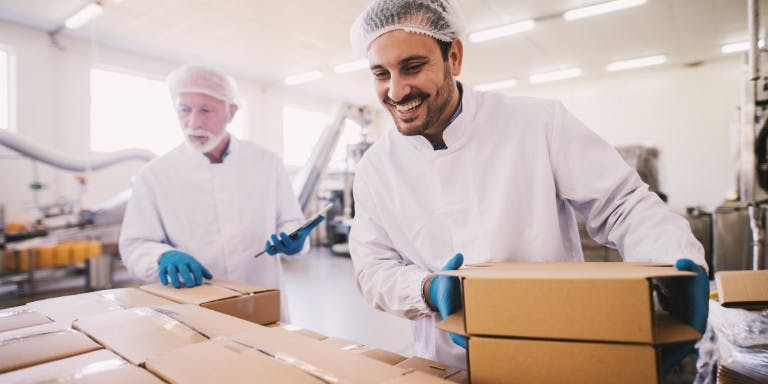
Using protective clothing like gloves or hairnets
Keeping pests out of food areas
Storing raw and cooked foods separately
So, while food safety is about the bigger picture of keeping food safe, food hygiene is about the day-to-day habits that help prevent contamination in the first place.
In short:
Food safety = preventing harm from the food itself
Food hygiene = preventing food from becoming harmful in the first place
They work hand in hand. Together they form the foundation of any food handling business, keeping customers safe and staying compliant with UK regulations.
Why is food safety important?
No one wants to be remembered for giving their customers food poisoning. But beyond the obvious health risks, there are some serious consequences if your business doesn’t take health and safety food hygiene seriously:
Legal compliance with food safety laws
The UK has strict food safety laws under the Food Safety Act 1999 and the Food Safety Act 1990 (as amended). Which are governed and enforced by the Food Standards Agency (FSA).
If you fail to comply, you could face fines, closures, or even prosecution. So, if you’re ever in doubt, it’s best practice to seek advice from health & safety experts.
Reputation damage
One bad hygiene review can spread fast online. A low food hygiene rating from the Food Standards Agency (FSA)? That’s enough to turn potential customers away in an instant.
Protecting public health
Foodborne illnesses like E.coli, Salmonella, and Norovirus are no joke. If your food makes someone sick, it could have life-threatening consequence. Especially for vulnerable groups like children, the elderly, or people with weakened immune systems.
Employee safety
Good hygiene isn’t, just about customers. Your staff need a safe environment too. Slippery floors from spillages, sharp tools or poorly maintained equipment can all be hazards if hygiene practices aren’t in place.
What are the basics of good food hygiene?
If you’re wondering how to improve your health and safety food hygiene practises, here are the four golden rules, known as the 4Cs of food safety.
Cleaning
Regular cleaning of work surfaces, utensils, and equipment reduces bacteria and cross-contamination. By using warm, soapy water or disinfectant cleaning products, you can reduce the risk of illness among customers and staff.
It's important to regularly clean your:
Hands, work surfaces and chopping boards
Utensils, dishes, and all cooking equipment
Dish cloths, sponges, and tea towels/chef’s towel
Touch areas like door handles, bins, light switches, and electronic devices
Cooking
Food needs to be cooked thoroughly to kill harmful bacteria. Especially meat, poultry and eggs. You can ensure the safety by:
Always following cooking temperature guidelines
Making sure the food is fully cooked before serving
Using food thermometer to check the temperatures is right
Maintain good food hygiene while preparing and cooking the food
Chilling
Proper refrigeration slows bacteria growth. Chilled food should be stored at 8˚C or lower. This is a legal obligation in England, Wales, and Northern Ireland. In practice, it’s advisable to adjust your refrigerator to 5˚C or lower to ensure that food remains sufficiently cold and to accommodate any temperature variations.
It's crucial to avoid leaving these kinds of food at room temperature for too long. So, it’s important to make sure that you:
Follow storage guidelines
Immediately place food that requires chilling in the fridge to maintain its coolness
Quickly cool down cooked food before storing it in the fridge
Minimise the time chilled food spends outside the fridge while preparing regularly
Verify that your fridge and display units are sufficiently cold
Cross-contamination
Cross-contamination occurs when bacteria transfers from one food item to another, or to surfaces and equipment. To prevent food poisoning and ensure the safety of yourself and others in your business, you can:
Prepare food in a hygienic manner
Avoid washing raw meat, fish, and poultry
Thoroughly wash fruits and vegetables
Store food correctly
Keep raw and ready-to-eat foods separate
Use different chopping boards and utensils
Using the 4Cs of food safety can help to prevent the most common food safety problems. But to manage food hygiene and safety procedures in your food business, you should follow Hazard Analysis and Critical Control Point (HACCP) principles.
Why should UK businesses prioritise food safety and hygiene?
Whether you’re running a sandwich shop or a school kitchen, food safety and hygiene is essential. Here’s why:
It builds trust with your customers
It helps you pass inspections and gain a good FSA food hygiene rating
It keeps your staff safe, healthy, and motivated
It reduces waste and improves food quality
It helps avoid costly legal issues and business disruption
Simply put, maintaining high standards of hygiene is good for people and good for business.
Need help with food safety compliance?
BrightSafe offers expert support and tools to help you stay on top of your food hygiene and safety responsibilities. From risk assessments to training records, our health & safety software makes it easier to protect your business, your people, and your plates.
Plus, with our dedicated food safety management system built in you’ll have all you need to keep your business food safety compliant all in one place.
Ready to level up your food safety game? Speak to one of our advisers today.