
First published on Wednesday, October 28, 2026
Last updated on Wednesday, October 28, 2026
John Healey’s expected minimum wage increase, help with rates and energy costs, plus proposals to “carve out” red tape burdens on business.
Today’s UK Budget brought changes that could affect your pay, premises and business costs. Here are five to have on your radar.
1. Higher pay floors put your pay records in focus
Affecting 2.3 million of the UK’s lowest-paid workers, a 3.9% increase in the National Minimum Wage and National Living Wage was announced.
The rise in today’s budget means £12.71 becomes £13.21 an hour - putting an increase of £975 more a year into employees' pockets.
Keeping accurate minimum wage records will be important if your business faces a Fair Work Agency inspection.
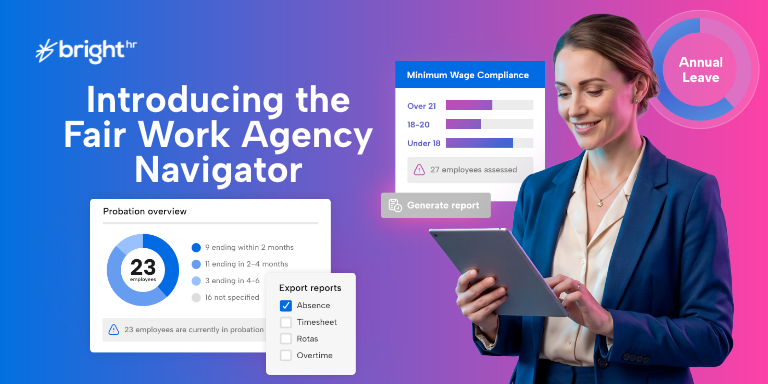
Review which employees are affected, check the final rate for each age band and apprentice category, and build the change into your staffing budget.
Clear communication will help your team understand when their pay will change too.
Make sure employee dates of birth, hourly pay information and working-time records are up to date, rather than treating a rate increase as a one-off payroll task.
BrightHR’s Fair Work Agency Navigator gives you an overview of minimum wage information by age group, flagging recorded pay below the relevant threshold and missing wage information.
2. “Breathing space” on rates could ease premises costs
The threshold for rate relief rose from £12,000 to £18,000. This means around 70,000 or “around half” of shops, gyms and restaurants will now pay none.
“Breathing space” was mentioned in relation to retail, hospitality and leisure - including pubs, clubs and music venues.
With lower premises costs aimed at creating savings, used towards staffing and investment. With some types of high street businesses singled out as not just excluded from the update, but as the ones paying for it e.g. vape shops.
This threshold relates to rateable value, not turnover or the amount of your bill.
Check the start date, property rules and the system that applies where your premises are based
3. Manufacturing gets a discount, from next year
From April 2027 an additional discount is aimed at providing support for manufacturers.
The British Industrial Competitiveness Scheme (first announced in August this year) is designed to discount and refund electricity costs by up to 25% for eligible manufacturers.
Check sector, product and electricity-use eligibility before including a saving in your forecast.
4. Compliance needs and the red tape “carve out”
A “regulatory carve-out" and commitment to ‘cutting business burden’ is at odds with a huge number of regulatory changes introduced in 2026 and coming in 2027.
For employers of all sizes, the Employment Rights Act 2025 should still be your main “business burden” focus.
The practical benefit depends on which businesses and obligations are covered. Until the detailed changes are made available, stay on track with what you need to update or prepare going into 2027.
Find out more about what’s changed and what’s coming in the next few months.
5. Growth support for founders
Protection and incentives for UK businesses were outlined across a few areas of Healey’s announcement.
Financial support for founders, employee share incentives and more flexible regional funding, including plenty of mention of technology and AI businesses.
For a small employer, the useful question is which measures could support hiring and retention of staff - with skilled worker visa easing mentioned.
Founder allowances and reliefs, a proposed EMI2 share-option scheme and changes around visas or non-compete clauses need their own eligibility rules before businesses can act on them.
Treat these as opportunities to investigate, rather than savings to assume.
Distinguish any new trading allowance from tax-return reporting thresholds, and check how new schemes differ from support already available.
Keep your next steps focused
Start with the change closest to your people: pay.
Review your premises and energy costs, before checking whether new administrative or investment support applies to you.
Alan Price, CEO at BrightHR, said:
My advice is to start with your pay plans. Keep an eye out for more detailed announcements on areas including non-competes and easing of skilled worker visa rules.
Don’t let promises of ‘less red tape’ distract you from the employment reforms you already know are coming.
Check your records, plan for the additional costs and keep your preparations on track.
The new hourly rates you need to prepare for are £13.21 for workers aged 21 and over, up from £12.71; £11.27 for 18 to 20-year-olds, up from £10.85; and £8.31 for workers above school-leaving age but under 18, and eligible apprentices, up from £8.
Keep a simple record of the measures that affect you, the date each takes effect and who will make the necessary updates.
This helps turn Budget headlines into a manageable plan alongside wider employment reforms.
Need a clearer view of your employee records?
Explore BrightHR’s Fair Work Agency Navigator to review minimum wage information, spot missing details and bring key compliance records together.