Employment Rights Act 2025 - Big changes coming
Major employment law changes are coming throughout 2026 and 2027. Get the details on what’s happening and how to prepare with BrightHR.


Your timeline
Prepare for changes coming under the Employment Rights Act 2025 Sick pay reforms
Statutory sick pay (SSP) will be payable from day one. The lower earnings limit is gone, and a new pay calculation comes in.
 Paternity and unpaid parental leave
Paternity leave and parental leave become day one rights from 6th April. Staff can give notice now in anticipation of being eligible when this kicks in.
 Fair Work Agency
The new enforcement body is launching on 7th April. It will have the power to inspect your business on key employment rights.
 Collective redundancy protective award
Companies that don't follow the rules for group layoffs will face much bigger fines as the penalty is doubling to 180 days’ pay.
April 2026
Sick pay reforms
Statutory sick pay (SSP) will be payable from day one. The lower earnings limit is gone, and a new pay calculation comes in.
Paternity and unpaid parental leave
Paternity leave and parental leave become day one rights from 6th April. Staff can give notice now in anticipation of being eligible when this kicks in.
Fair Work Agency
The new enforcement body is launching on 7th April. It will have the power to inspect your business on key employment rights.
Collective redundancy protective award
Companies that don't follow the rules for group layoffs will face much bigger fines as the penalty is doubling to 180 days’ pay.
October 2026

Duty to prevent harassment
Employers will have stricter duties to prevent harassment, including from third parties like customers or contractors.

Employment tribunal time limits
From October 2026, the time limits for making most employment tribunal claims will be doubling to 6 months.

Tipping policies
Hospitality businesses will have to consult with workers before creating a tipping policy. Policies will also need to be updated every 3 years.

Adult Social Care Negotiating Body
Hospitality businesses will have to consult with workers before creating a tipping policy. Policies will also need to be updated every 3 years.
January 2027

Unfair dismissal rights
From 1st January 2027, employees will be protected from unfair dismissal after 6 months of service.

Fire and rehire
Dismissing staff and rehiring them on different contractual terms will automatically qualify as unfair dismissal.
2027

Compensation for cancelled shifts
Shift workers will have the right to be paid if a shift is cancelled, moved or cut short by their employer.

Zero hours contracts
Workers on zero-hours contracts will get the right to guaranteed working hours, if they want them.

Bereavement leave
A new right to statutory bereavement leave is expected to come in.

Flexible working
Laws on flexible working will be amended to require a ‘reasonable’ reason to deny a request from an employee.
Join 120,000+ small UK businesses that trust BrightHR






















What to do next


Business health check assessment
Complete your quick HR Health Check for an instant assessment of how prepared you are.
Start HR Health Check
Learn how to prepare
Discover the practical actions you should take to prepare for the biggest changes.
Download Whitepaper

Speak to an expert
Book a consultation with an expert for practical advice tailored to your business.
Speak to an advisorWhat changes are coming?
Over 28 key employment law reforms are coming in over the next two years. Find out about the biggest changes affecting small business owners.Unfair dismissal protection
Protections kick in after 6 month’s service, including anyone hired since February 2025. Decide on new hires before the six-month mark or risk tribunal.
Zero and low hours contract rights
Workers will gain rights to guaranteed hours, shift cancellation compensation, and predictable notice of shifts. This could mean extra costs for short-notice scheduling.
Statutory Sick Pay reforms
SSP will be payable from day one of absence, and the lower earnings limit is being scrapped. Without correct processes, this could result in higher costs and extra admin.
Family rights
Paternity leave and parental leave become day one rights. Long-term requests could be coming even from new starters.
Flexible working
Under new flexible working laws, rejecting a request without a legitimate reason could put you at risk of tribunal.
New enforcement body
The Fair Work Agency will be able to inspect your business even if a complaint hasn’t been made. Your business needs to be inspection ready.
See how BrightHR helps you
BrightHR is the complete solution to help you manage new employment law changes .
Swipe
HR software
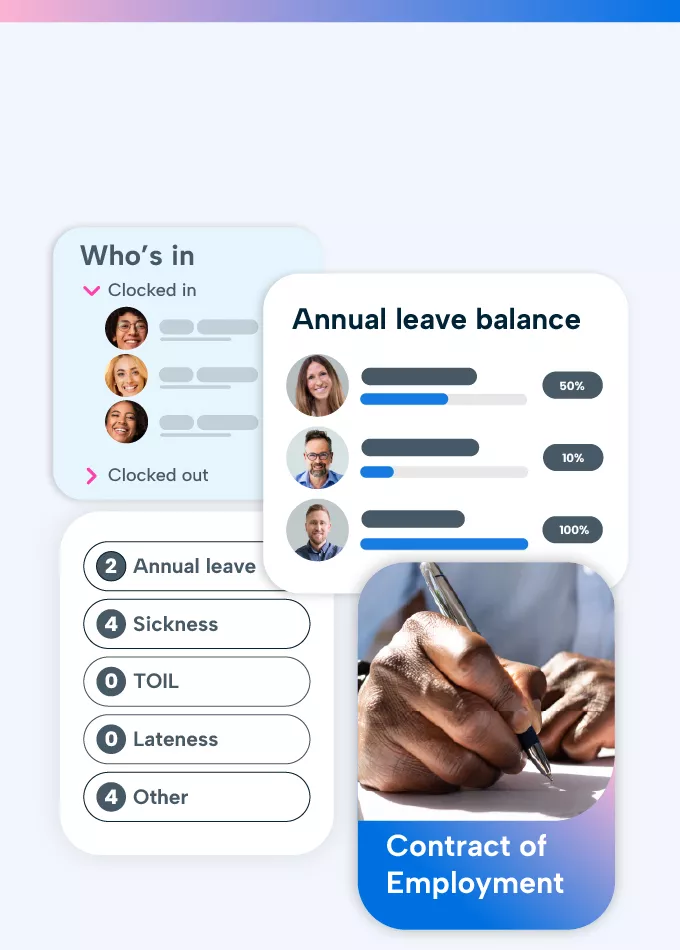
- Track sicknesses and long-term leave with absence management
- Manage new starter probations easily with performance management tools
- Stay compliant with predictable work requirements
- Assign and monitor e-learning progress on new workplace policies
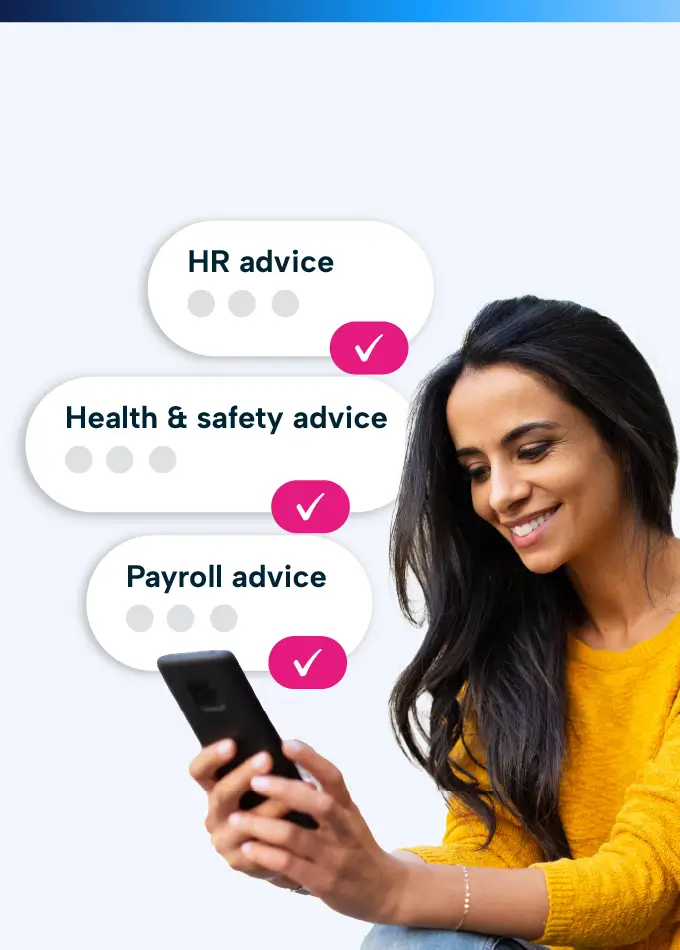
Advice
- 24/7 advice from UK-based employment law specialists
- Access instant AI-powered advice, verified by legal experts
- Get updates on legislation from advisors with 50+ years’ experience
- Protect against legal costs and get representation with optional insurance
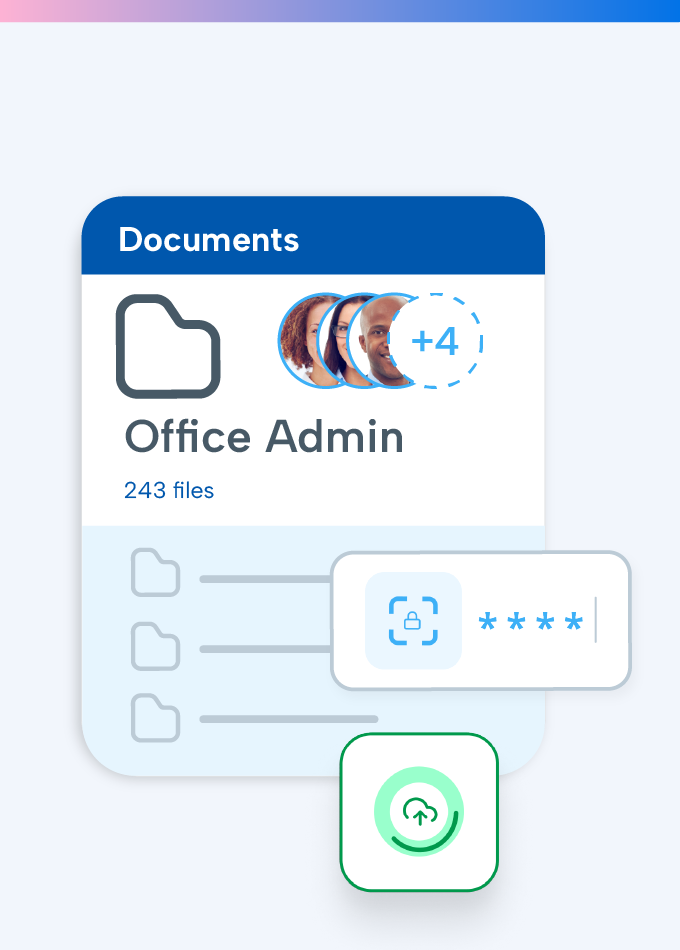
Documents
- Get unlimited access to a library of 300+ expert-written, updated HR documents
- Choose from ready-to-use templates on employment contracts, handbooks and policies
- Keep HR documentation safe and accessible with unlimited, secure storage
How we help
Bright HR helps you in 4 steps:Assess
Get a clear picture of where you stand. Employment law experts will identify compliance risks and highlight what needs attention.
Guide
Close documentation, gaps, update policies, and align your processes with the Employment Rights Act 2025.
Implement
Stay compliant with HR software that is designed to ensure and prove your day-to-day processes align with the employment legislation.
Advise
Access 24/7 employment law advice to help you stay compliant as new laws and updates come into force.
Are you ready?
Get expert advice on how these changes affect your business. Talk to an advisor today.
Bright Webinars
We have everything you need to help you help your staff - All in one place
Swipe


HR Best Practice
Wednesday, February 4, 2026
New Act, New Risks: What Business Owners Must Know About the Employment Rights Act

HR Best Practice
Tuesday, February 3, 2026
New Act, New Risks: A Business Owners Guide to Family Friendly Rights


HR Best Practice
Tuesday, February 3, 2026
New Act, New Risks: Disciplinary Compliance To Reduce Business Risk
120,000+ businesses around the world trust BrightHR.
Discover some of their stories now.
Discover customer success stories
Frequently Asked Questions
Q.Question
Q. QuestionWhat are the most important changes for a small business owner?
For small business owners, the most important shifts involve "day-one" rights, a drastically shortened period for unfair dismissal protection, and new requirements for flexible working and zero-hours contracts. There are various trade union changes coming in over the next two years, too.
Q.Question
Q. QuestionWhat changes shall I prepare for first?
There are so many changes that you need to prepare for. It might be a good idea to start preparing for the admin of the most recent changes like sick pay reforms and day-one rights before moving onto zero-hours and flexible contracts. Speak to one of our employment law experts today to figure out what you need to do to prepare.
Q.Question
Q. QuestionWhy would I need support handling the upcoming changes?
The Employment Rights Act is bringing in the most significant overhaul of employment law in decades. It’s going to place a lot of financial and admin burden just to update your processes to meet new rules. Getting it wrong will make that even more difficult to deal with.
Q.Question
Q. QuestionHow can I prevent employees from taking advantage and changing attendance behaviour?
The most effective way to prevent staff from taking advantage of the new eligibility for SSP is to create and enforce clear absence management policies. This will help your employees understand that while their health is a priority, all absences are managed equally. If you do have trouble with people taking advantage, expert advice will help you tackle this in the best way for your business.