First published on Thursday, November 19, 2026
Last updated on Thursday, November 19, 2026
Welcome to HR Heartbeat, where we take a look at the most pressing HR and employment law stories. With over a decade of business leadership experience, I share my perspective on current trends impacting your business, alongside my own commentary on all things HR and legal.
WorkSafeNB urges employers to review fall protection measures
Falls can cause serious injuries at any height, and as winter draws closer, it’s the perfect time to check your workplace health & safety controls.
As Fall Prevention Month comes to a close, WorkSafeNB is reminding employers that fall protection is required in New Brunswick when workers are exposed to falls of more than three metres. The rules also apply at lower heights where there's a risk of dangerous contact, such as falling onto machinery or equipment.
Whether or not these specific requirements apply in your province, it's a good opportunity to take another look at your own fall prevention measures and make sure workers are protected.
Here are a few steps you can take now to ensure your workplace is free from slips, trips and falls this winter.
Review your existing risk assessments before winter conditions set in.
Confirm employees are trained to use fall protection equipment correctly.
Check that emergency rescue procedures are up to date.
Inspect stepladders and secure open loading docks.
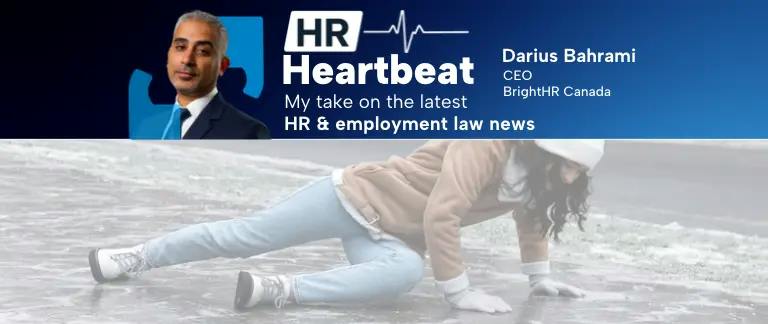
Address ice and slippery surfaces at building entrances and outdoor work areas.
As an employer, it's your responsibility to protect workers from hazards, including the everyday risks that are easy to overlook. By staying on top of these risks, you're not only helping prevent injuries but also keeping your business compliant with OHS legislation.
BC clarifies respirator fit requirements for employers
British Columbia recently amended its Occupational Health and Safety Regulation to clarify respirator face seal requirements and introduce the standardized term “tight-fitting respirator”.
While the changes don't introduce new safety obligations, they do reinforce your responsibility to ensure nothing interferes with your workers' respirator face seals. This includes facial hair or stubble, improperly fitted eyewear and any other protective equipment that could affect the seal.
My advice to employers? Review your respiratory protection practices now to make sure they reflect the updated terminology and requirements. This includes checking workplace risk assessments, updating written respiratory protection programs and confirming employees have completed their annual fit testing.
You'll also need to make sure supervisors check that workers perform a user seal check every time they put on a tight-fitting respirator.
And if you're unsure about the respiratory protection procedures your business needs to stay compliant, speak to a health and safety expert for guidance.
Alberta proposes ban on mandatory DEI training and hiring practices
Alberta’s government has introduced legislation that could significantly change how public-sector employers approach diversity, equity and inclusion (DEI) during recruitment and promotions.
Bill 33, the Justice Statutes Amendment Act, 2026 (No. 2), proposes changes to the Alberta Human Rights Act that would prevent public institutions from using DEI programs when making hiring or promotion decisions. Mandatory DEI training would also be prohibited, although voluntary training could continue.
The proposed changes could affect various sectors, and have faced criticism from labour groups, who warn that removing DEI measures could make it harder to identify and address workplace discrimination.
Bill 33 hasn't passed yet, so there’s still some uncertainty around how the changes will be applied. If passed, further regulations will clarify which organizations are covered and what exemptions may apply.
For employers and HR teams in Alberta, it's worth keeping an eye on as the legislation could have a significant impact on how you recruit, train and promote staff.
It's also a good time to review your staff training processes. Invest in a compliant learning management system (LMS) with up-to-date courses created by experts can help ensure employees receive relevant training as workplace legislation and requirements evolve.
And that’s a wrap from me. Keep an eye out for my latest updates and insights on employment law developments and headlines, so you can stay informed and ahead of the curve.